A information to the Nice Migration in Tanzania and Kenya
The Nice Migration is likely one of the grandest pure spectacles on the planet. Yearly round two million wildebeests, zebras and Thomson’s gazelles observe rains and swaying grasslands, transferring alongside historic paths by means of Tanzania’s Serengeti Nationwide Park and Kenya’s Masai Mara Nationwide Reserve. As they do, the good predators of the East African savannah – lions, leopards, cheetahs, noticed hyenas – watch and look forward to the passing banquet.
This everlasting dance between predator and prey, a life-and-death battle set towards a silhouette of umbrella thorn acacias, offers the Nice Migration its unmistakable cachet. Typically it’s the sheer drama: when wildebeests and zebras launch into the Mara River, working a gauntlet of crocodiles and large cats. On different events it’s the sheer, perspective-altering scale, as tens of 1000’s of ungulates swarm the horizon as in the event that they had been a single entity. No matter it’s, it’s by no means something wanting thrilling.
Commercial
Ought to I am going to Kenya or Tanzania?
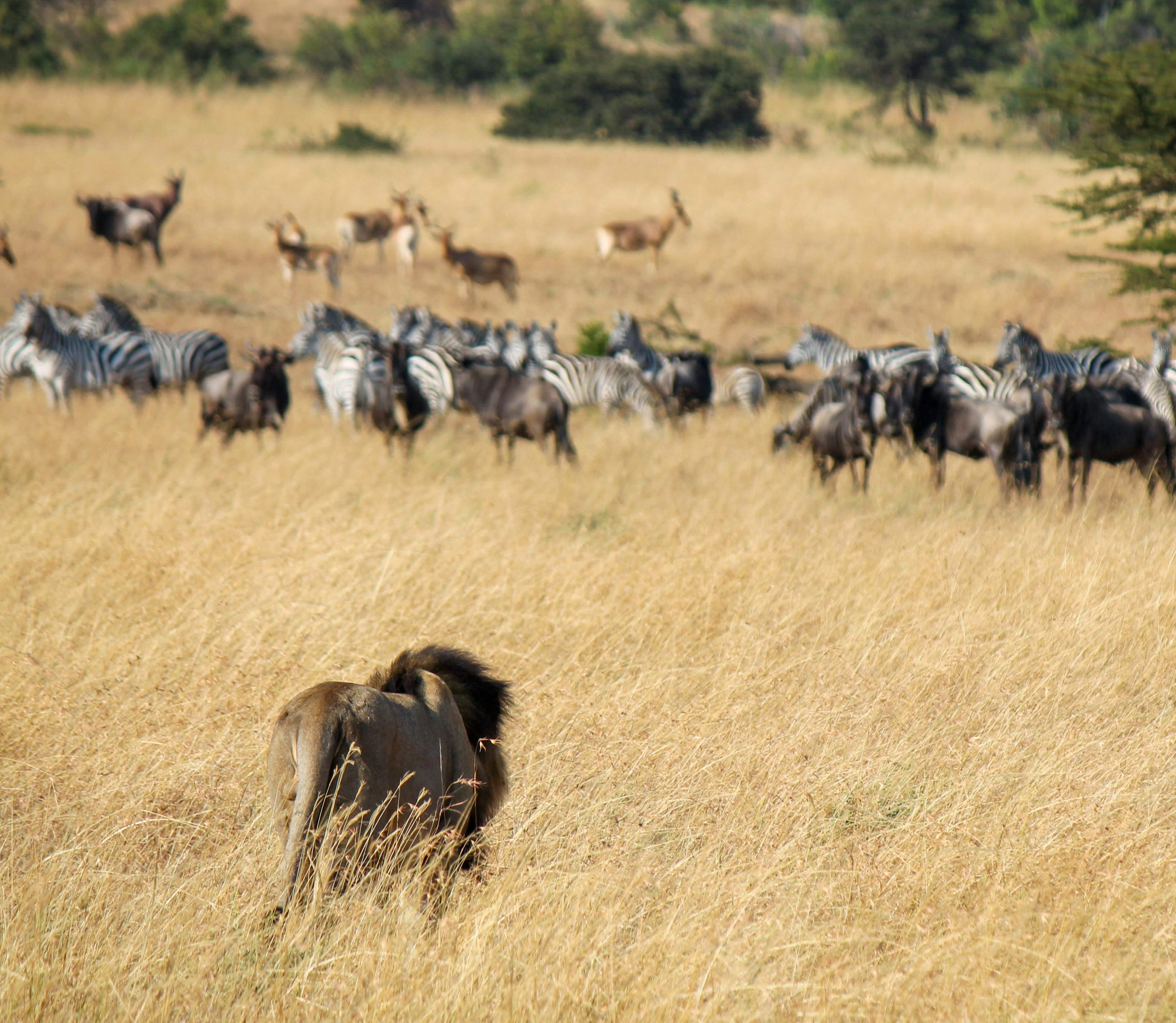
In most years the Nice Migration spends extra time in Tanzania than Kenya. Meaning extra selection in the place you’ll be able to meet up with the grazing herds as they transfer by means of the Serengeti. The Serengeti can also be such an enormous place that the safari trails can appear much less crowded than these within the Mara, which is battling overtourism, particularly through the migration. And there are many different areas of the Serengeti that you would be able to escape to if you happen to want to discover additional. So if the sheer scale of the Nice Migration is what offers you frisson, the Serengeti in all probability wins out.
On the similar time, arguably probably the most iconic second of the Nice Migration happens when the massed herds of wildebeests cross the banks of the Mara River deep inside Kenya’s Masai Mara Nationwide Reserve. There are moments of nice rigidity – who would be the first to plunge down the riverbank and throughout? Will there be a lion or leopard lurking by the water’s edge able to ambush? When will the crocodiles make their transfer? Though the perfect vantage factors are sometimes crowded with safari automobiles and might really feel like something however a wilderness expertise, few moments in nature are extra dramatic, as rigidity builds and these exceptional occasions unfold.
What are cell camps?
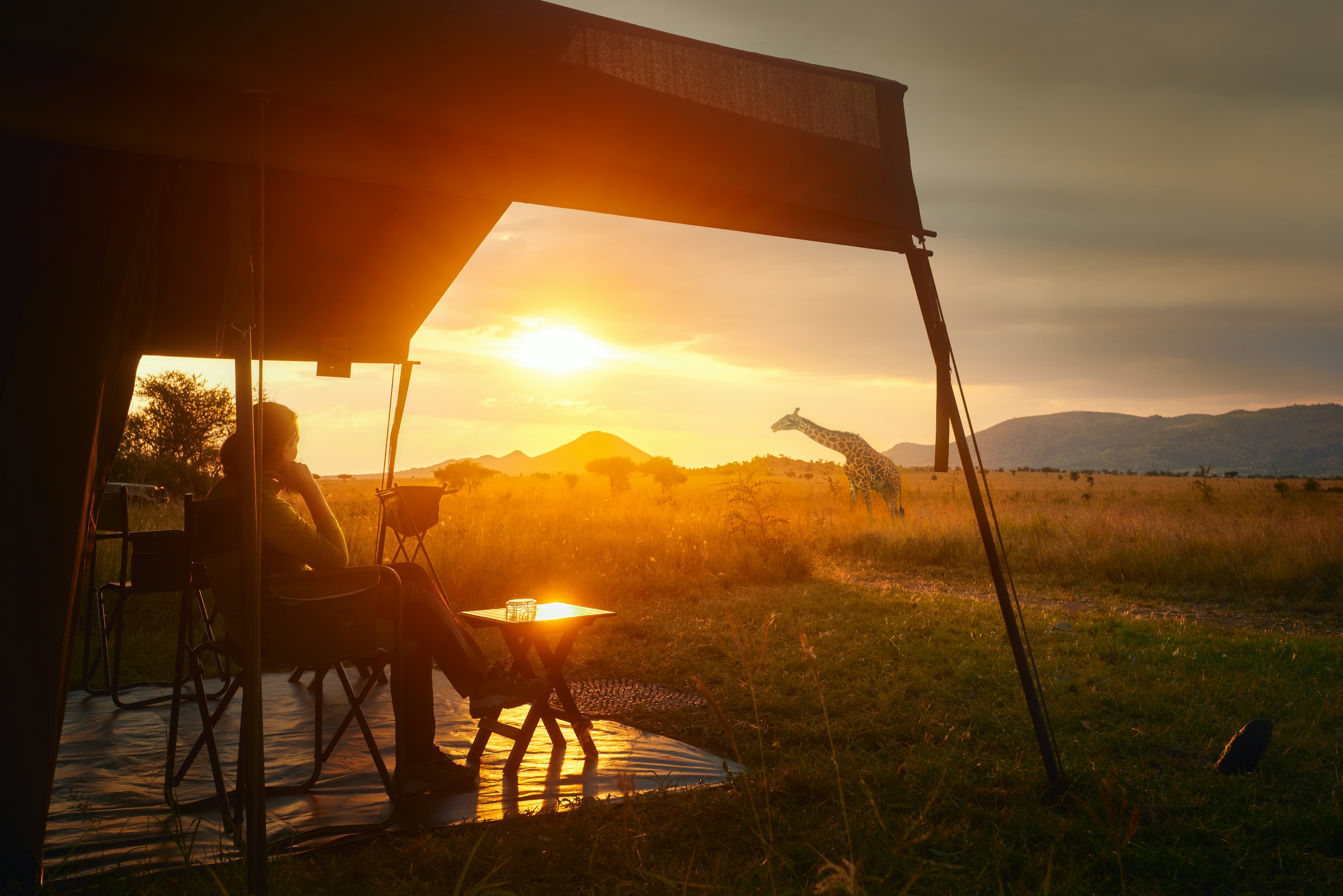
Most lodging within the Serengeti and Masai Mara are safari lodges or tented camps, however there may be one Nice Migration specialty: the cell camp. Cellular camps are tented camps, often with a handful of safari tents for friends and a eating space, that spend a number of months in a single place. Then, forsaking little hint, they transfer to a distinct location. This permits the camps to successfully observe the herds. Whereas the extent of luxurious isn’t fairly the identical as within the extra everlasting settings, cell camps seize the out-in-the-wild spirit of old-style tented camps and are nonetheless supremely comfy. Most cell camps transfer twice a yr, starting within the south, then going north in anticipation of the herds’ arrival. Others might have three places, with an interim cease within the heart or west of the Serengeti.
When and the place can I see the Nice Migration?
Like every pure phenomenon, nothing is assured in relation to the Nice Migration. We will let you know the probably time-frame, based mostly on what often occurs, however that is wild nature, and also you by no means fairly know what’s subsequent and when.
Commercial
Typically the herds cut up into two. Unseasonal rainfall may cause them to double again and return from the place they’ve simply come, or to leap ahead and skip a complete part. Typically they take a wholly totally different route.
All of this may be inconvenient while you’ve made an costly, nonrefundable reserving. It’s all the time a danger however an unavoidable one. Simply keep in mind that if you happen to flip up and the Nice Migration is elsewhere, each the Serengeti and Masai Mara have distinctive year-round wildlife experiences as appreciable compensation.
To assist with planning, this month-by-month define particulars what occurs in a typical yr of the Nice Migration.
January and February
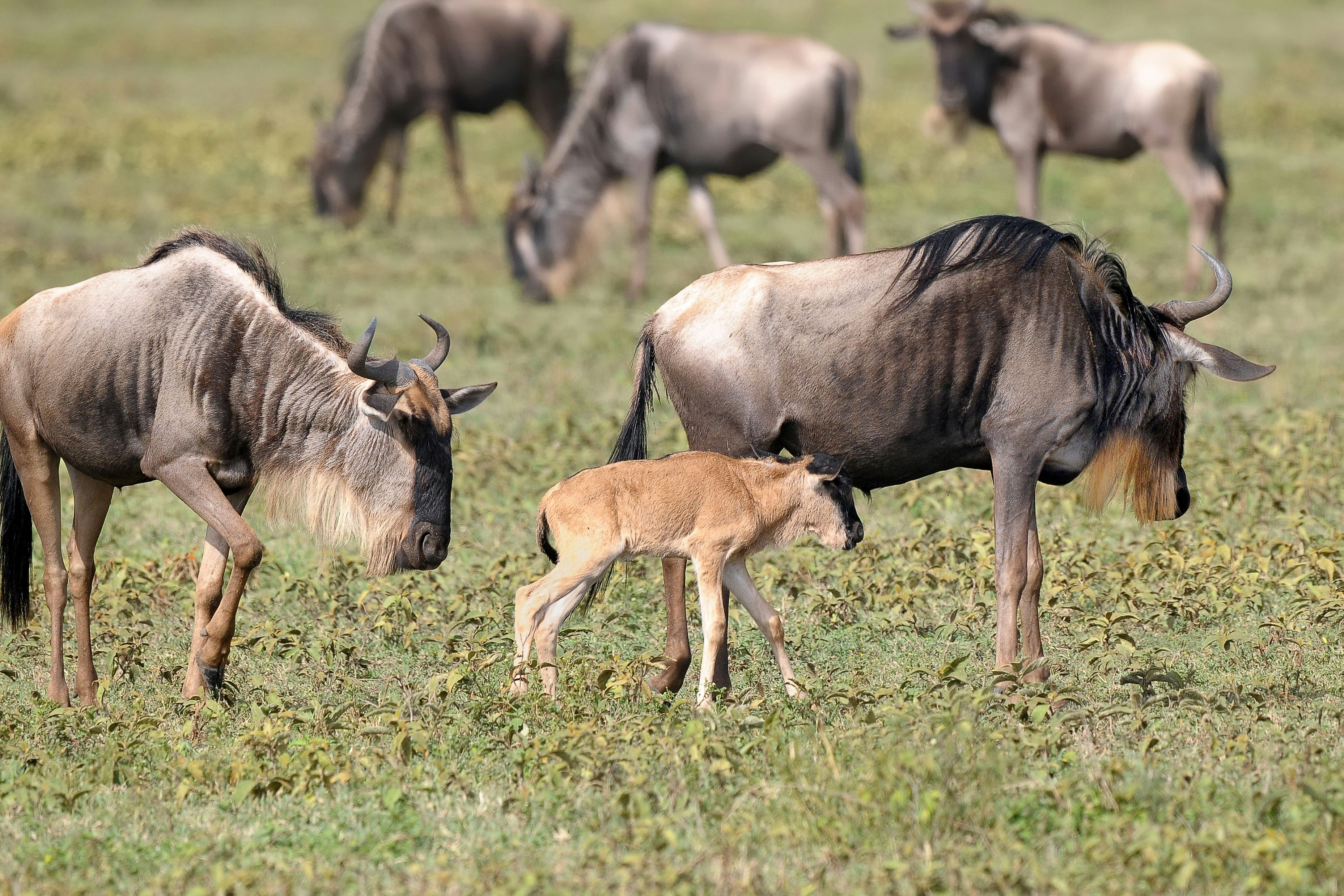
The yr begins with the herds within the south of the Serengeti, often spilling over into the sunshine woodlands, marshes and grassy plains of the Ndutu area, simply past the park’s southern boundary. These plains and marshes are the place the herds come to provide start, with tens of 1000’s of wildebeest calves struggling to their ft and circling predators by no means far-off. Remarkably, most calves are on their ft in little over 5 minutes and might run alongside their moms in 15. This mass calving brings new life to the herd, in readiness for his or her lengthy march north.
March and April
In years of excellent rain, the herds might linger for a number of additional weeks within the south, however by mid-March, they’re often transferring north, usually in lengthy, sinuous traces that snake throughout the grasslands. That is one thing of an interim section, with few lodging in these areas of the park. It additionally corresponds with the Serengeti’s months of highest rainfall, so it is likely one of the most problematic occasions to go to, though we’ve got been right here throughout these months and had high quality climate, with the herds largely to ourselves.
Might and June
Might is often when the herds take a left flip, surging up by means of the central Serengeti, seemingly on the quick path to Kenya, solely to veer west and out onto the grasslands of the Grumeti hall. I’ve slept out within the west when all was quiet, in a yr when the herds took the brief route. One other yr, the herds thundered previous my tent, so many animals that it appeared to final all night time. Some wildebeests will cross the Grumeti River with its crocodiles, as others funnel northwest into the northern Serengeti through the lengthy, empty landscapes that separate the central Serengeti from the quiet north, which has only a handful of luxurious camps. By the tip of June, the herds are practically able to cross into Kenya.

July and August
I’ve stood on the heights overlooking the Mara River the place it marks the border between the 2 nations and the earth appeared alive, a seething mass of animals on the transfer and gearing up for the crossing. There are extra harmful crossings additional on, however as soon as they cross the Mara right here, the skittish herds appear thrilled by the expertise, surging at nice velocity throughout the plains, then slowing to benefit from the bountiful grasslands of the Masai Mara. Typically they cross in June, generally August, generally in no way. However most frequently, by early to mid-July, a lot of the fundamental herd is throughout and milling across the Mara. These months, July and August, are the busiest months within the Mara, and the various (too many?) lodges of the Masai Mara Nationwide Reserve monitor the herds to be sure to don’t miss them. When all of it turns into an excessive amount of, retire to one of many unique surrounding conservancies – Mara North, Naboisho, Olare-Orok – the place mini migrations happen, and the wildlife watching is Kenya’s greatest year-round, with solely a fraction of the guests.
September and October
The herds by no means seem to be they’re in a rush to start their lengthy journey south – till they’re. One minute they appear to be they haven’t any intention of leaving this paradise of considerable, nutritious grasses; the following they’re on the transfer as the primary stressed souls start sniffing the wind and sense the approaching rains tons of of kilometers away within the south. September is often dependable in relation to seeing the migration in Kenya, and the herds generally even keep till properly into October. However every passing week that you simply delay your go to to keep away from the crowds runs the chance of lacking the migration, particularly because the calendar turns into October.
November and December
Come November, the spectacle is essentially over, or a minimum of is far more durable to see because the migration strikes steadily southward alongside the Serengeti’s jap border. There are few tracks in these elements, rain is feasible, and lodging are laborious to return by – this is likely one of the least promising months for seeing the migration. The identical usually applies to December. However if you happen to had been to take a seat on the terrace of your tent in Ndutu or southern Serengeti nursing a quiet drink in December, you simply would possibly see the herds coming your method, making their method south throughout the northern horizon.
The place can I be taught extra in regards to the Nice Migration?
Lonely Planet’s guides to Kenya, Tanzania and East Africa have detailed steerage on planning a safari. SafariBookings is one other wonderful useful resource.