Dos and don’ts for touring in Hawaii
Hawai?i’ll have a popularity for being a relaxed, laid-back vacation spot. And that‘s true – to an extent. The Islands have their very own quirks, customs and unstated guidelines that even essentially the most well-intentioned customer can overlook or ignore. Even one thing so simple as tossing out an outdated lei – flower garland – may be deemed as disrespectful.
Listed below are some dos and don’ts to remember when visiting the fiftieth state.
When planning your trip
1. Don’t simply plan a visit to O?ahu – or a single island. In the event you’re making the trek all the way in which to Hawai?i, take into account visiting one other island, even only for the day. Whereas O?ahu typically will get the majority of tourists, the opposite islands supply distinctive experiences you gained’t need to miss. Flights are frequent between islands and don’t take longer than 45 minutes.
Commercial
2. Do hire a automotive. Whereas some customer hubs – like Waik?okay? on O?ahu and Kona on Hawai?i Island – are walkable, you gained’t be capable of expertise the complete scope of any island with out driving round it. Solely O?ahu has in depth public transportation, from a city-run bus system that may get you wherever on the island to a motorcycle ride-share program in a number of city areas. Most islands have Uber and different ride-share choices, however fares can get costly. By automotive, you’ll be able to discover rural neighborhoods, discover secluded seashores and see extra of the island’s pure magnificence.
3. Don’t anticipate good climate all day, day by day. Whereas Hawai?i is thought for its idyllic local weather and year-round sunshine, it does – and can – rain, particularly within the winter and spring months. A few of Hawai?i’s peaks, like Kaua?i’s Mount Wai?ale?ale, are among the many wettest spots on the earth. And relying on when and the place you’re planning to go to, it may be chilly, too. Climate in higher-elevation areas may be chilly and unpredictable. The temperature on the summit of the ten,023-ft Haleakal? on Maui, for instance, is about 30°F cooler than the coast and might dip beneath freezing. Snow on the summits of Halekal? and Mauna Kea on Hawai?i Island is a typical prevalence through the winter months. Pack a sweater or rain jacket, simply in case.
4. Do ebook reservations for standard customer points of interest, excursions and reveals upfront. Through the pandemic, the state started implementing reservation methods at a lot of its standard parks, together with Hanauma Bay and Diamond Head State Monument on O?ahu, H??ena State Park on Kaua?i and Wai??napanapa State Park on Maui. These parks require entry charges, too, for non-residents. You even should ebook a time slot as much as 60 days upfront to see the dawn at Halekal? on Maui. Many standard eating places and reveals replenish, too, so finest to ebook forward.
5. Lahaina continues to be recovering, however do take into account West Maui. Lahaina continues to heal from the lethal wildfires that devastated the coastal city in 2023. And though guests aren’t allowed into the core of Lahaina, the remainder of West Maui is open – and wishes help. Contemplate visiting cities like Okay??anapali and Kapalua, which boast golden-sand seashores, sprawling resorts and nice outlets and eating places. Some beloved Lahaina companies have reopened, together with Sale Pepe Pizzeria e Cucina, Previous Lahaina L??au and M?la Ocean Tavern.
Social etiquette and interactions
6. Do study a number of Hawaiian phrases, however don’t attempt to communicate the language should you’re not fluent in it. You’ll hear phrases like “aloha” (hi there), “mahalo” (thanks) and “pau” (completed), so it’s a good suggestion to familiarize your self with generally used phrases. The Hawai?i Tourism Authority has a nice record of phrases and phrases to know earlier than your journey to the Islands. However don’t attempt to communicate ??lelo Hawai?i to everybody you meet; solely about 2% of the state’s inhabitants have some fluency within the language. It’d come off as disrespectful. Apps like Duolingo now supply free newbie classes within the Hawaiian language, making it straightforward to get began earlier than or throughout your journey.
7. Don’t assume everybody who lives in Hawai?i is Hawaiian. Certain, somebody from California is commonly known as a Californian, but it surely’s not the identical in Hawai?i. Hawaiian is an ethnicity also referred to as kanaka maoli. Somebody born and raised in Hawai?i is likely to be Japanese, Portuguese, Filipino or Caucasian, however they don’t seem to be Hawaiian except they’re of Hawaiian descent. Residents are known as kama??ina.
8. Do take off your footwear whenever you’re going inside somebody’s residence. It’s thought-about dangerous manners to maintain them on indoors. Plus, virtually talking, strolling indoors with out footwear ensures cleaner flooring and carpets.
9. Do settle for any lei that’s offered to you, however don’t toss it within the trash. Lei is taken into account sacred and there’s quite a lot of cultural significance to them. While you obtain a lei – and also you probably will whenever you examine into any lodge in Hawai?i – it’s best to decrease your head and permit the giver to place it over your head and onto your shoulders. (Don’t take it from the giver; that’s thought-about impolite.) And as an alternative of dumping the lei, place it properly on a desk in your room.
10. Don’t stack rocks. It’s not a standard follow, and it’s thought-about culturally insensitive to do it. Native Hawaiians used rocks to construct ahu (altars) for ceremonial functions and as markers – not for ornamental functions. The Hawai?i Division of State Parks additionally discourages guests from stacking rocks, because it modifies the pure setting and poses a security hazard. And the Hawai?i Volcanoes Nationwide Park urges guests to not transfer rocks; its workers builds ahu to mark trails and transferring them or stacking others can create confusion for hikers and park-goers. Go away rocks, vegetation and different pure objects as you discover them.

When getting round
11. Don’t honk. It’s not one thing Hawai?i drivers do.
12. Do drive with persistence and inside pace limits. Hawai?i has comparatively low pace limits, with highways maxing out at 60 mph. You may be fined at the very least $100 for rushing, with further fines relying on how briskly you have been driving.
13. Do pull over for different drivers on slim roads and one-lane bridges. (You’ll discover these in locations like H?na on Maui and Hanalei on Kaua?i.)
14. Do wave or flash a shaka when one other driver enables you to merge or lower in.
Commercial
15. Do heed Hawai?i’s biking guidelines. O?ahu might be essentially the most bike-friendly of all of the islands, with practically 60 miles of motorbike lanes and 46 miles of motorbike paths. However word the foundations. You possibly can’t trip bicycles on the sidewalks in enterprise districts like Waik?okay? and Downtown Honolulu. And you will get stopped for biking whereas intoxicated; in Hawai?i bicycles are outlined as automobiles and the state’s DUI statute applies.
While you’re outside
16. Do use reef-safe sunscreen. In 2021 Hawai?i banned sunscreens that comprise oxybenzone and octinoxate, chemical substances which have been proven to break fragile marine ecosystems. You’ll find reef-safe alternate options in all places, from comfort shops to lodge outlets. There are a number of domestically made choices, too, resembling Little Palms Hawai?i and Uncooked Love.
17. Don’t depart valuables unattended in your automotive or on the seashore. Greatest to go away them on the lodge and take solely your necessities – pockets, telephone, keys – with you.
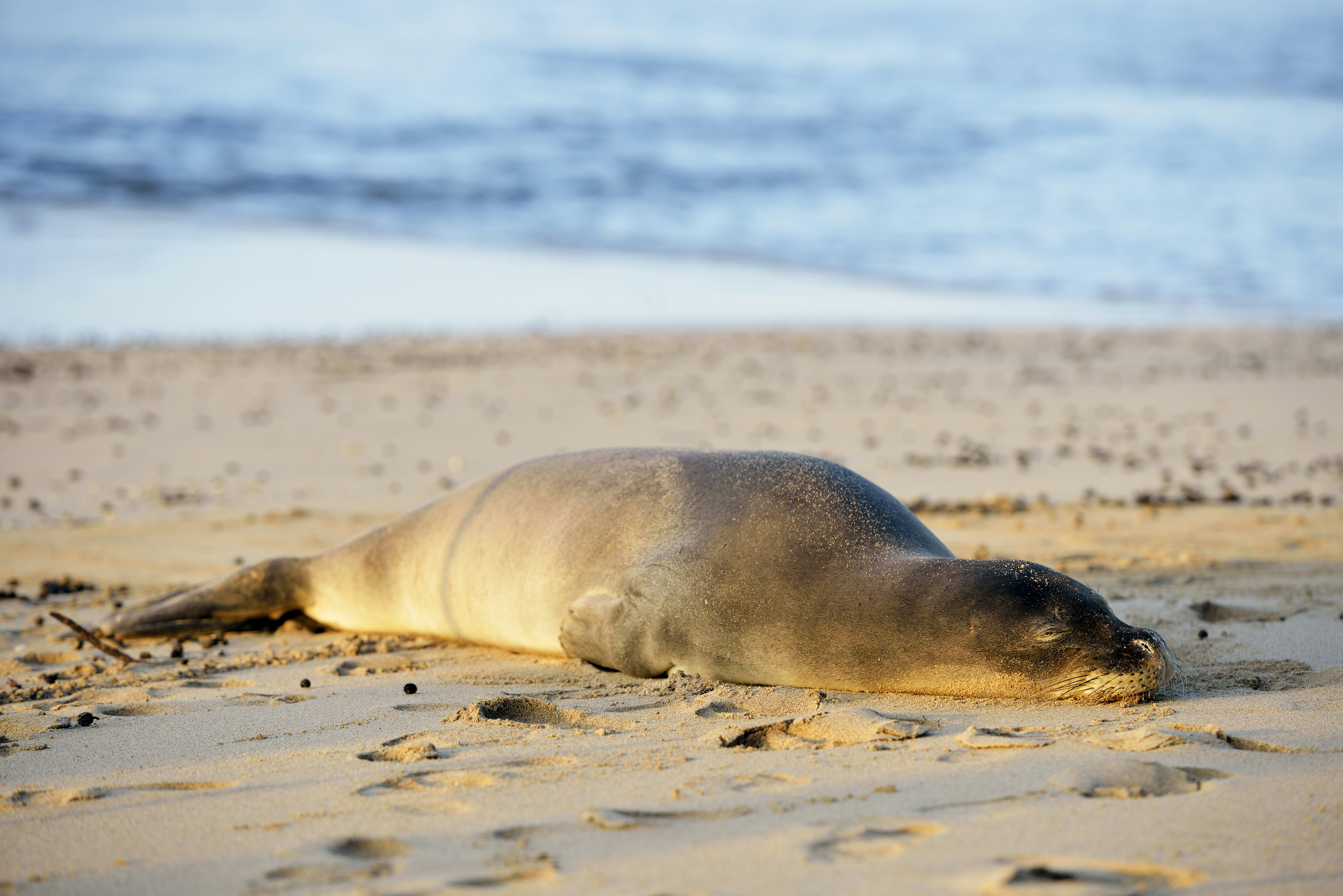
18. Don’t get too near Hawai?i’s protected wildlife. Certain, it’s thrilling to see a honu (Hawaiian inexperienced sea turtle) or n?n? (Hawaiian goose) within the wild. However these animals are protected by legislation, requiring you to maintain your distance. It’s a felony below state legislation to the touch, harass, hurt or kill any endangered or threatened species, together with Hawaiian monk seals, with penalties of as much as 5 years in jail and a $50,000 wonderful. It’s important to be at the very least 10ft (3m) away from sea turtles on land and within the water; behind indicators or obstacles or at the very least 50ft (15m) away from Hawaiian monk seals; at the very least 50yds (45m) from dolphins; and it’s in opposition to federal legislation to be inside 100yds of a humpback whale. Get pleasure from them from a secure distance.
19. Don’t stand on a rock ledge close to the ocean. It could seem to be the proper spot to snap a photograph – till a wave knocks you down and drags you out to sea. The ocean may be unpredictable, and rocks may be very slippery and harmful when moist.
20. Don’t stand too near a blowhole. Whereas it might be thrilling to see water shoot 100 ft within the air, blowholes like N?okay?lele on Maui and H?lona on O?ahu are finest seen from a secure distance. The power of the water can knock you down or wash you into the ocean.
21. Don’t stand on the reef. Not solely are you damaging this necessary marine ecosystem, you may additionally step on a spiny sea urchin. Not enjoyable!
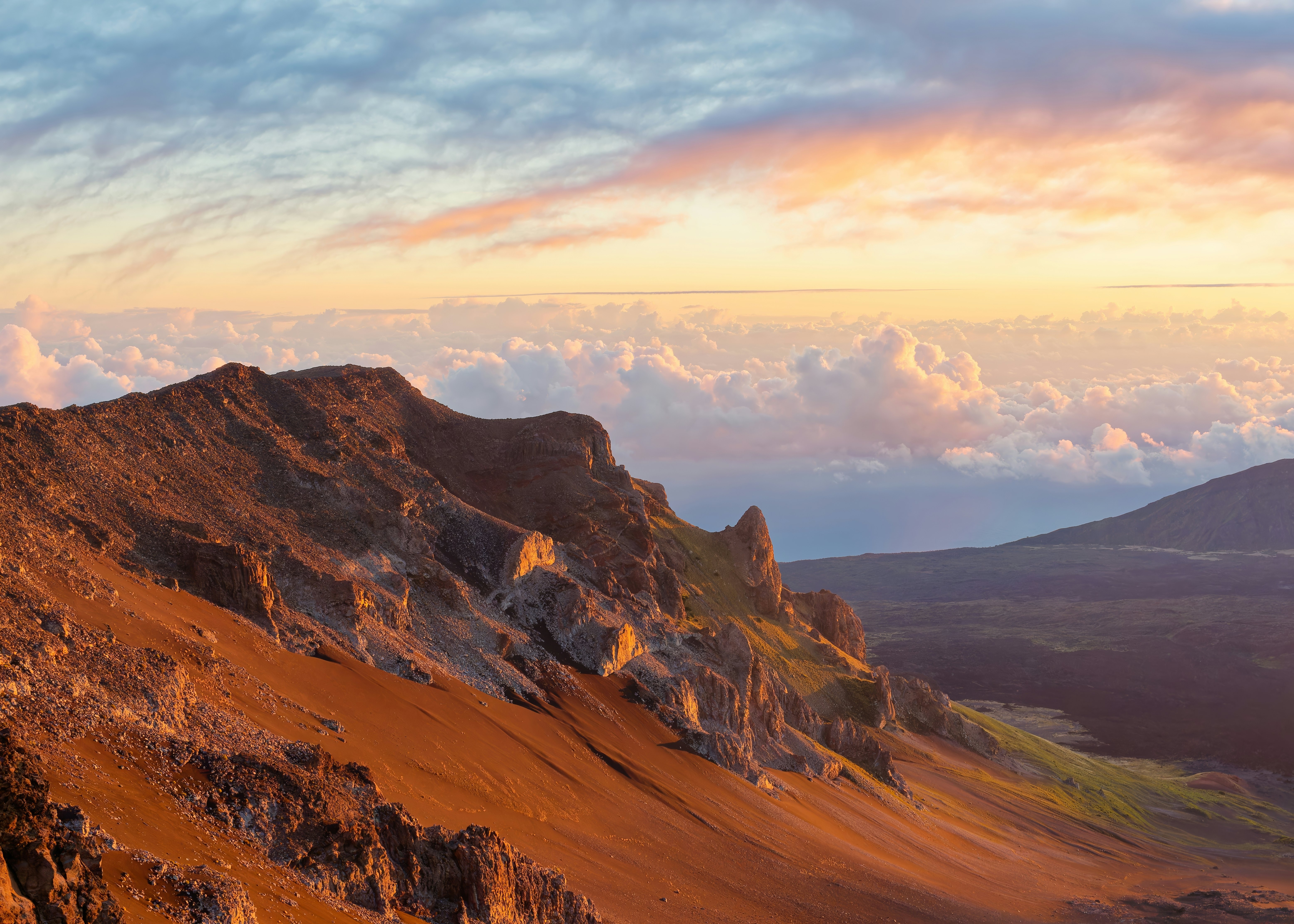
22. Do depart lava rocks alone. For many years, folks have taken lava rocks from Hawai?i Volcanoes Nationwide Park and Haleakal? Nationwide Park as souvenirs. And lots of ship them again, nervous in regards to the fable that claims anybody who takes rocks from Hawai?i will likely be cursed. Whereas that will not be true, there’s a good less complicated purpose: It’s unlawful – to not point out culturally inappropriate – to take something from a nationwide park, together with lava rocks. Taking rocks can alter the geological story, negatively affect native biodiversity and tamper cultural and archeological websites.
23. Don’t cross protecting obstacles or ignore warning indicators. This looks like a no brainer, however you’d be shocked how many individuals – guests and locals alike – ignore warnings and enterprise into harmful areas. For instance, each month field jellyfish invade south shorelines on O?ahu, and lifeguards submit indicators. Nonetheless, folks wade into the ocean solely to get stung by certainly one of these venomous marine invertebrates.
24. Don’t swim in brown or murky water. This often happens after heavy rains or close to river mouths. Brown water sometimes means excessive ranges of micro organism and swimming in it, particularly with an open lower, may lead to a foul an infection.
25. Do examine in with lifeguards. Many of the standard seashores in Hawai?i are staffed with educated lifeguards, with O?ahu boasting essentially the most. Cease by the towers to ask lifeguards about present climate and ocean situations, potential risks and posted warnings. When doubtful, don’t exit.

When mountain climbing
26. Do hike solely on state-run trails or these in nationwide parks. The state’s path system encompasses 855 miles of trails and entry roads throughout all main islands, from the paved stroll to the Makapu?u Lighthouse on O?ahu to the epic 22-mile Kalalau Path on Kaua?i’s N?pali Coast. Keep on the marked trails and by no means enterprise on closed hikes – like Ha?ik? Stairs (Stairway to Heaven) on O?ahu – or throughout non-public property. You may face steep fines and even jail time.
27. Do pack the necessities. You’ll want water – an excellent rule of thumb is to hold at the very least 1L of water per particular person for each two hours of mountain climbing – and snacks like protein bars, fruit or path combine. Put on sturdy however comfy mountain climbing footwear, slather on sunscreen and bug repellent, and convey a rain jacket simply in case.
28. Don’t hike alone and do inform somebody the place you can be mountain climbing and what time you anticipate to return.
29. Do convey a charged cellphone, in case of emergency. If you need, pack a photo voltaic charger.
30. Do hike inside your bodily limits. Don’t push your self. Mountaineering is strenuous, and climate situations could make the trek more difficult than you anticipated. It’s OK to show round.
Eating and meals customs
31. Don’t simply eat at chain eating places. Whereas all of us love the familiarity of our favourite eatery, you’d be lacking out on experiencing the very best a part of touring someplace new: the meals! Discover hole-in-the-wall eating places, ask locals or seek the advice of meals blogs to seek out nice native eating places, cafés and bars.
32. Do eat exterior your consolation zone. Because of the multiethnic range within the Islands, Hawai?i boasts an eclectic array of cuisines, from Vietnamese road meals to farm-to-table wonderful eating. Attempt a delicacies you’ve by no means had earlier than. And undoubtedly expertise Hawaiian meals – like okay?lua pig, lau lau, poi and haupia – whether or not at a restaurant like Helena’s Hawaiian Meals on O?ahu or at a standard l??au like Previous Lahaina L??au on Maui.
33. Do strive Spam – or at the very least a Spam musubi. Hawai?i consumes an estimated 7 million cans of Spam yearly, making it the state with the best per capita consumption of the canned meat within the US. You’ll discover Spam in all places. Its hottest kind, although, is Spam musubi: a grilled slice of Spam fastened on a mattress of rice and held along with seaweed, or nori. You’ll find Spam musubi at comfort shops, fuel stations and grocery shops. Some eating places even serve elevated variations.
34. Don’t overlook to tip. And that goes past restaurant servers. Present some like to tour guides, valet, bellhops, housekeepers and taxi or ride-share drivers.

35. Do find out about place names and mo?olelo (tales) behind them. Many landmarks within the Islands have deep cultural significance and historical past. At any time when you’ll be able to, attempt to use the Hawaiian title of a location – not the English model or nickname. It’s a simple technique to present respect for the place and to assist perpetuate the story behind it.
36. Do take time to study in regards to the historical past of Hawai?i. Go to locations like Bishop Museum and ?Iolani Palace on O?ahu, Kaua?i Museum on Kaua?i and Hulihe?e Palace on Hawai?i Island.
37. Do take part in cultural actions. Many lodges and malls supply free cultural courses, like ?ukulele enjoying, lei making and hula. And search for cultural-based occasions that you may attend. In the summertime, for instance, many Japanese temples throughout the Islands rejoice the obon competition, with taiko drumming, dancing and meals.
38. Do observe indicators and protocols at sacred locations like heiau (temples), lava tubes, burial grounds and fishponds. Even when they’re open to the general public, they’re typically traditionally and culturally vital.
39. Do help native by purchasing at domestically owned outlets and eating places, craft festivals and farmers markets. Not solely are you supporting native artisans, makers and farmers, however you’ll be shopping for one thing distinctive to the Islands.
40. Do volunteer and provides again. Voluntourism alternatives exist throughout all islands. You possibly can plant native bushes, clear up seashores, or assist in a taro farm – all which deepen your connection to the Islands whereas studying about Hawai?i‘s tradition, folks and surroundings. Organizations like Travel2Change and M?lama Hawai?i make it straightforward to match with community-based volunteer actions.