The 6 greatest hikes in Tokyo
Tokyo is famend for its fashionable cityscape of gleaming skyscrapers and bustling, neon-lit streets, however the metropolis of 14 million folks additionally has huge swaths of scenic countryside.
Simply a few hours west of downtown lies Okutama, whose verdant mountains, forests and rivers make it simple to overlook you’re nonetheless in Tokyo. A lot of the area is inside Chichibu-Tama-Kai Nationwide Park, identified for its seasonal flowers that create picturesque backdrops all year long.
Climbing is among the many greatest methods to discover the realm’s pure gems. Many routes are accessible by public transit, and a few even have devoted cable automobiles.
Listed here are six hikes within the metropolis limits, appropriate for walkers with varied ranges of health.
Commercial

1. Takao-san
Finest for cultural points of interest
Distance: 4km (2.5 miles)
Estimated time to finish: 2 hours
Degree of problem: Straightforward
Tokyo’s hottest peak, attracting three million folks yearly, Takao-san gives six routes to the summit. From Takaosanguchi Station, the simplest possibility is Route 1, paved all through though with some steep sections. The decrease half passes by a grove of towering cedar timber, however it’s potential to bypass this part by taking the cable automotive or chair raise.
Sightseeing amenities embody J?ich?me Chaya, a teahouse based in 1899 that serves dango (dumplings) or soba noodles with views of the rolling forested hills under, a monkey park house to Japanese macaques and a backyard with about 500 varieties of untamed flowers.
Additional up lies Yakuo-in Temple, the place ascetic coaching has been practiced for greater than 1,000 years. Many hikers cease right here to wish to tengu (legendary beings present in nature) earlier than persevering with the climb.
The summit (599m/1,965ft) gives spectacular views of Tokyo and, on a transparent day, Mt Fuji. You may study extra concerning the native wildlife on the close by Takao Customer Middle.
Native tip: Hike the extra half-hour past the summit to achieve Itch?daira, an open space that blooms with numerous styles of cherry timber from mid- to late April. The close by Momijidai (maple viewing platform) is a well-liked viewing spot for fall colours in November.
2. Hinode-san
Finest for dawn views
Distance: 3.5km (2 miles)
Estimated time to finish: 2 hours
Degree of problem: Average
This 902m/2959ft peak is a well-liked place to view the primary dawn of the brand new yr as its identify actually means “dawn mountain,” however it gives spectacular surroundings yr spherical, significantly in spring and fall, with just some steep sections.
Shiny azaleas and rhododendrons flourish within the space from March to Could whereas plum blossoms flower close to the height in March. Shiraiwa Falls, identified for its refreshing cascades and tranquil setting, involves life in autumn when it’s framed in foliage of purple, orange and yellow.
Commercial
From the summit, it’s potential to view the whole Kanto Plain together with the mountains of Okutama.
Native tip: In your descent, observe the indicators for Tsuru Tsuru Onsen, a sizzling spring within the foothills of Hinode-san providing day-use baths in alkaline water that makes pores and skin silky clean.
3. Mitake-san
Finest for pilgrim trails
Distance: 2.5km (1.5 miles)
Estimated time to finish: 2.5 hours
Degree of problem: Average
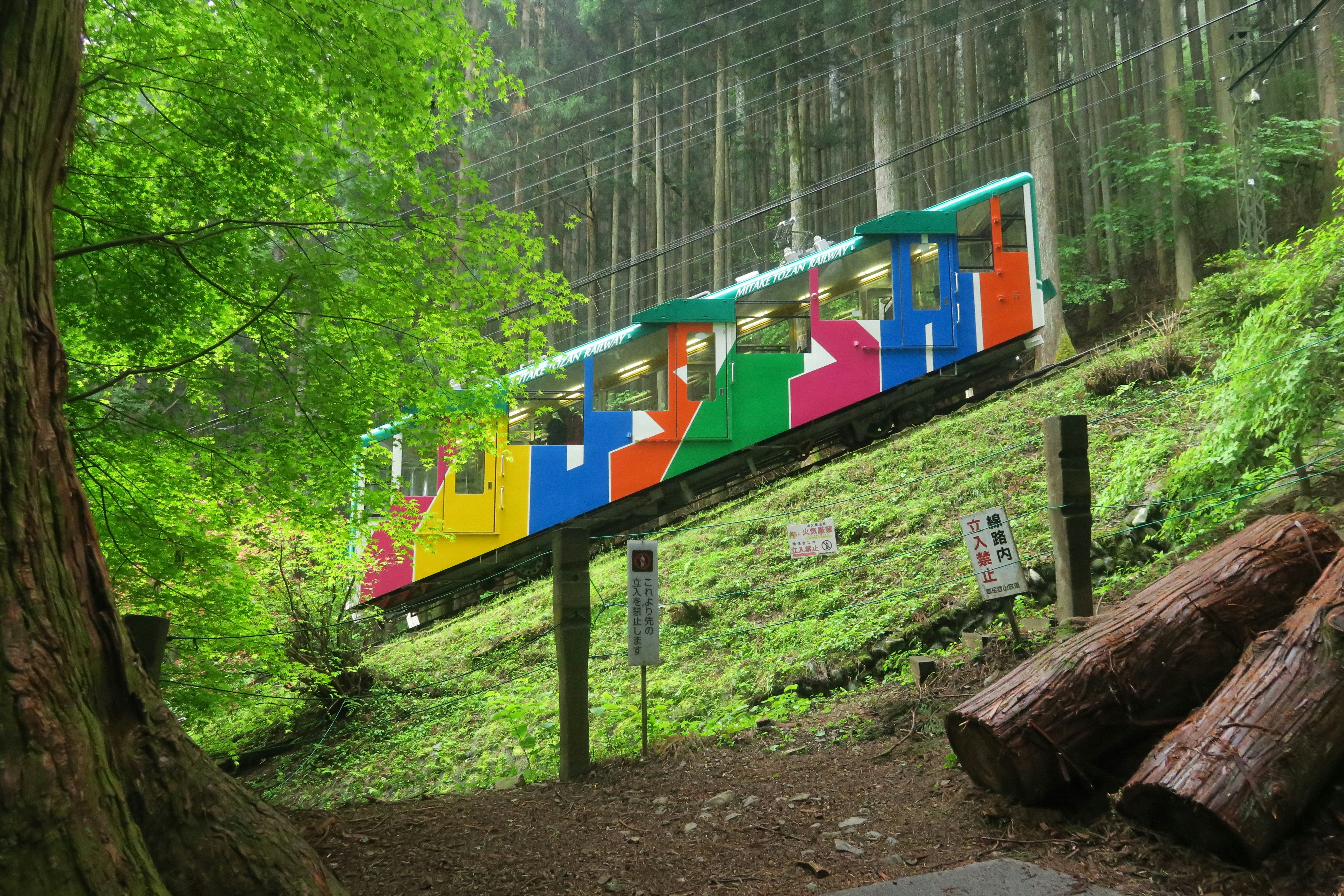
As one of many area’s most sacred peaks, Mitake-san has lengthy attracted pilgrims. Throughout the Kamakura interval (1185–1333), shugenja (mountain ascetics) carried out purification rites on the peak’s pristine waterfalls, whereas the Edo interval (1603–1867) introduced folks to wish at Musashi Mitake Shrine on the summit.
From Takimoto Station, you’ll be able to hike the traditional route, underneath the vermillion torii (shrine gate) and thru lush forest whereas listening out for the calls of long-tailed rosefinches and yellow-bellied narcissus flycatchers. Alternatively, board the Mitake Tozan Railway cable automotive.
Each choices arrive at Mitake, a hamlet based to accommodate shrine caretakers and pilgrims, together with with shukub? (temple lodging). You’ll hike alongside slim, winding streets lined by previous, thatched homes, enveloping you in a standard environment earlier than reaching steep stone steps lined by historic cedar timber.
Musashi Mitake Shrine marks the summit. Based in 91 BC, it’s one of many oldest Shint? shrines in Japan. There are a number of key buildings on the grounds, together with a treasure corridor, which provide expansive views of the Kanto Plain and, on clear days, the B?s? Peninsula in neighboring Chiba Prefecture.
4. Odake-san
Finest for tranquility
Distance: 8.5km (5.3 miles)
Estimated time to finish: 3.5 hours
Degree of problem: Tough
This difficult peak will immerse you in deep nature and is most simply reached from Mitake-san. From Musashi Mitake Shrine, descend to the primary path and switch proper, following indicators for Tengu-iwa, a big rock named after tengu (legendary creatures present in nature). Steep stairs down mark the top of the paved paths; from right here, the paths require sturdy footwear with good grip.
Descending previous Tengu-iwa reveals a serene forested valley referred to as the Rock Backyard. The trail winds previous moss-covered boulders, clear mountain streams and waterfalls that appear to freshen the air with the unfavourable ions launched from the transferring water. Birds might be heard inside the dense leafy cover, which gives shady respite on sunny days.
After the biggest falls, Ayashiro-no-taki, the path leaves the valley and winds its means up steep sections to the summit. Some scrambling could also be wanted, however the route is provided with chains and also you’ll be rewarded with a panoramic view of the verdant Okutama space and the Tokyo metropolis.
5. Okutama Lake Enjoyable Street
Finest for scenic vistas
Distance: 12km (7.5 miles)
Estimated time to finish: 2–3 hours
Degree of problem: Straightforward
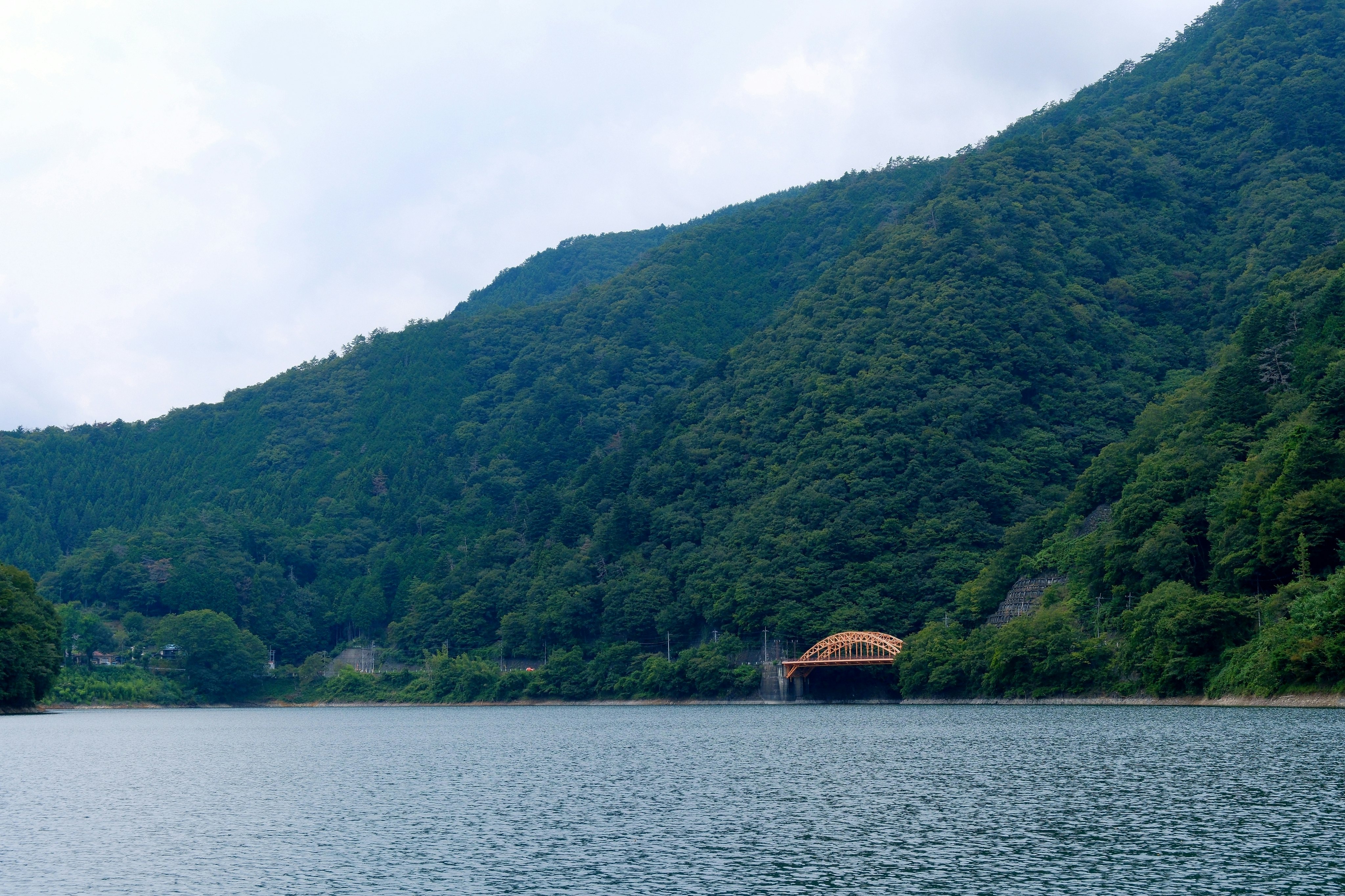
This flat, well-maintained path follows the southern shore of Lake Okutama, whose deep blue waters present about 20% of Tokyo’s water provide. Pure forests of cedar and cypress encompass the paths and supply houses to an array of wildlife. In autumn, the foliage is remodeled into dramatic crimson colours, attracting extra hikers than ordinary.
With loads of benches, picnic tables and bathrooms alongside the best way, this route is definitely accessible. It ends at Yama-no-Furusato village, which gives experiences comparable to birdwatching, pottery-making, wasabi-harvesting and stargazing.
Planning tip: As a result of chance of snow and ice within the colder months, Okutama Lake Enjoyable Street is closed yearly from December 1 till the second Thursday of April.
6. Okutama Previous Street (Mukashi Michi Path)
Finest for historical past
Distance: 9km (5.5 miles)
Estimated time to finish: 4 hours
Degree of problem: Straightforward
Beginning at JR Okutama Station, this course traverses the Tama-gawa valley by gorgeous pure landscapes to achieve Lake Okutama.
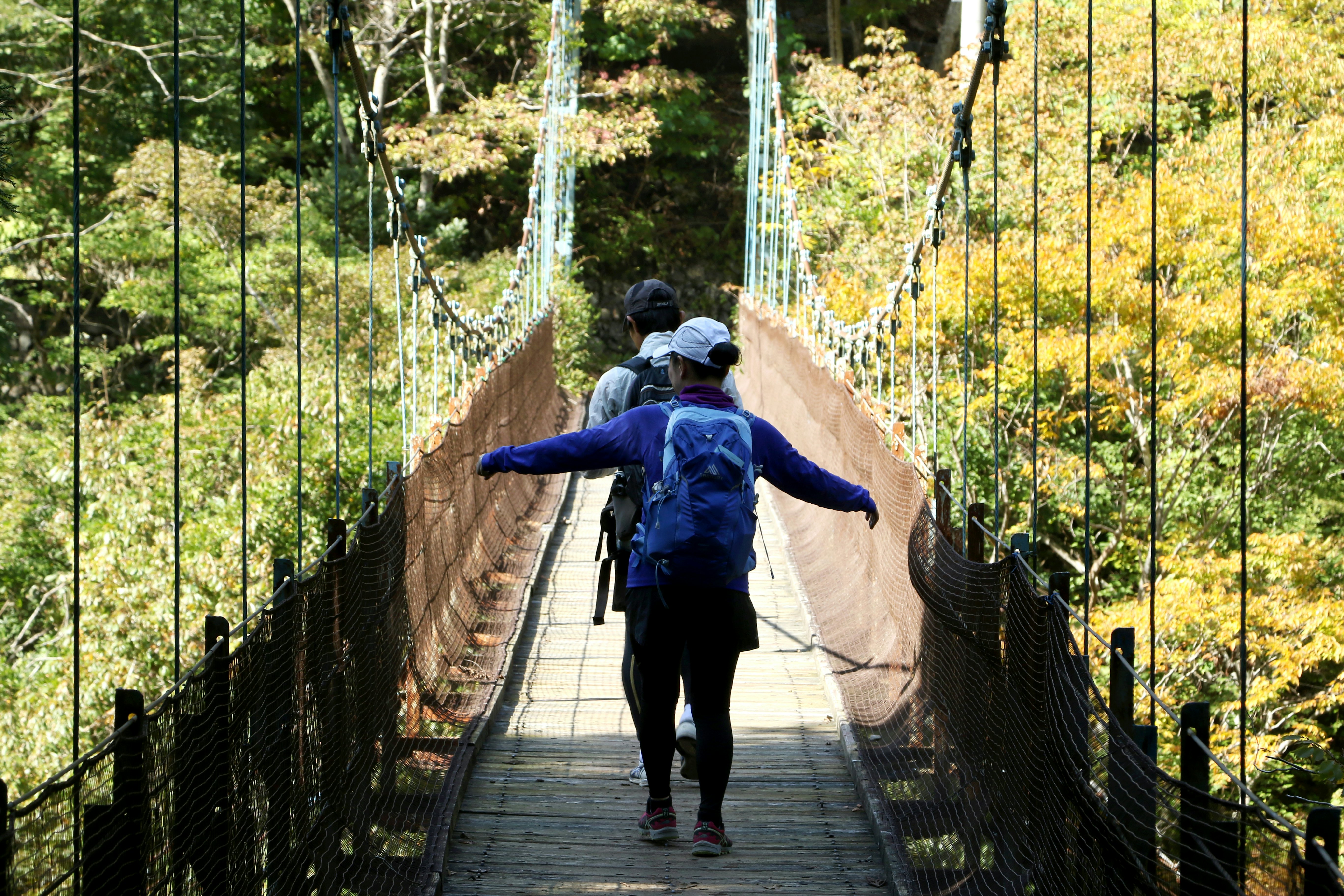
A lot of the path is alongside the Kosh? Ura Kaido (Koshu Again Street). This historic path was used as a commerce route in the course of the Edo interval (1603–1867) and later turned an necessary artery in Japan’s transportation community. This wealthy historical past might be seen at nearly each flip; you’ll spot small shrines tucked into the panorama, the place vacationers would have stated prayers for his or her journey, in addition to former railway tracks, tunnels and previous buildings.
A number of waterfalls, the largest of which is the 50-meter Fudo Falls, dot the path, as do carved stones and statues courting from centuries in the past. The route ends close to Okutama Water & Greenery Museum, the place you’ll be able to see interactive displays on the historical past and tradition of the realm and study concerning the position of the ?gochi Dam in supplying Tokyo’s water and the significance of the pure surroundings.
Planning tip: Pop into the Okutama Customer Middle close to JR Okutama Station for a map of the route in English as there’s restricted English signage.